Takiwiri Island
Rooted in Purpose. Growing for Takawiri.
An island in Lake Victoria. 2,000 people. 4 acres of land. One vision of self-sufficiency.
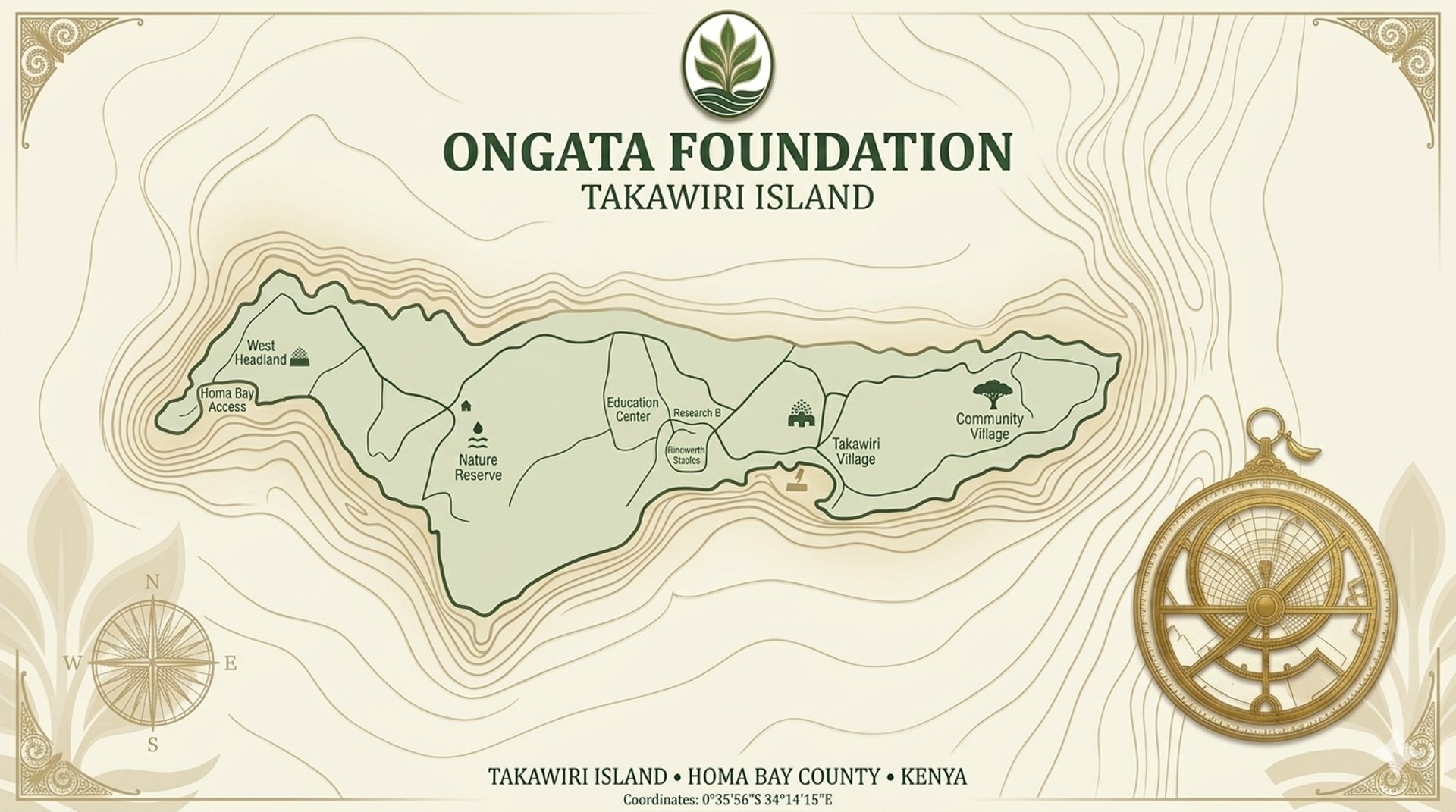
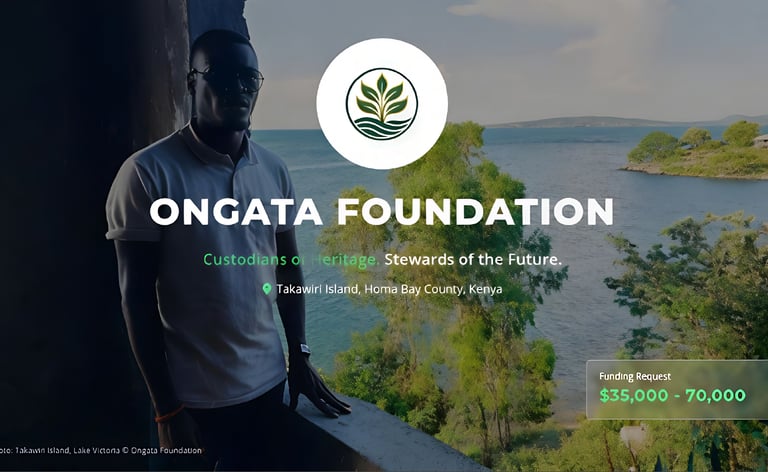
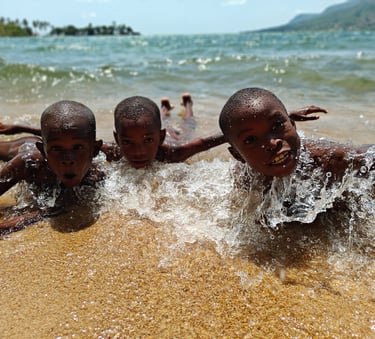
Takawiri lies in the Kenyan waters of Lake Victoria, in Homa Bay County. It can only be reached by boat — from Mbita or Mfangano. Home to 2,000 people, mostly fishing families, the island has long depended on fish as the backbone of its economy.
But diets are monotonous, vegetables are expensive to import, and fish stocks are under growing pressure. Takawiri also carries one of Kenya's highest HIV prevalence rates — which makes nutrition and stable income not abstract goals, but life-and-death matters.
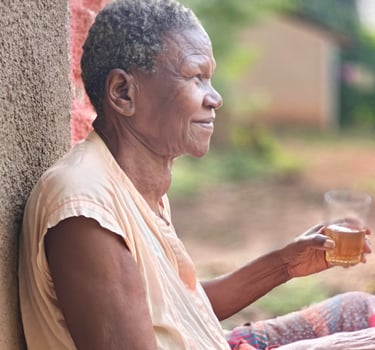
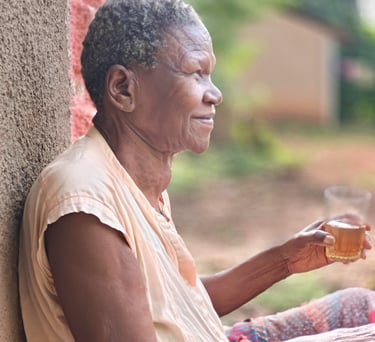
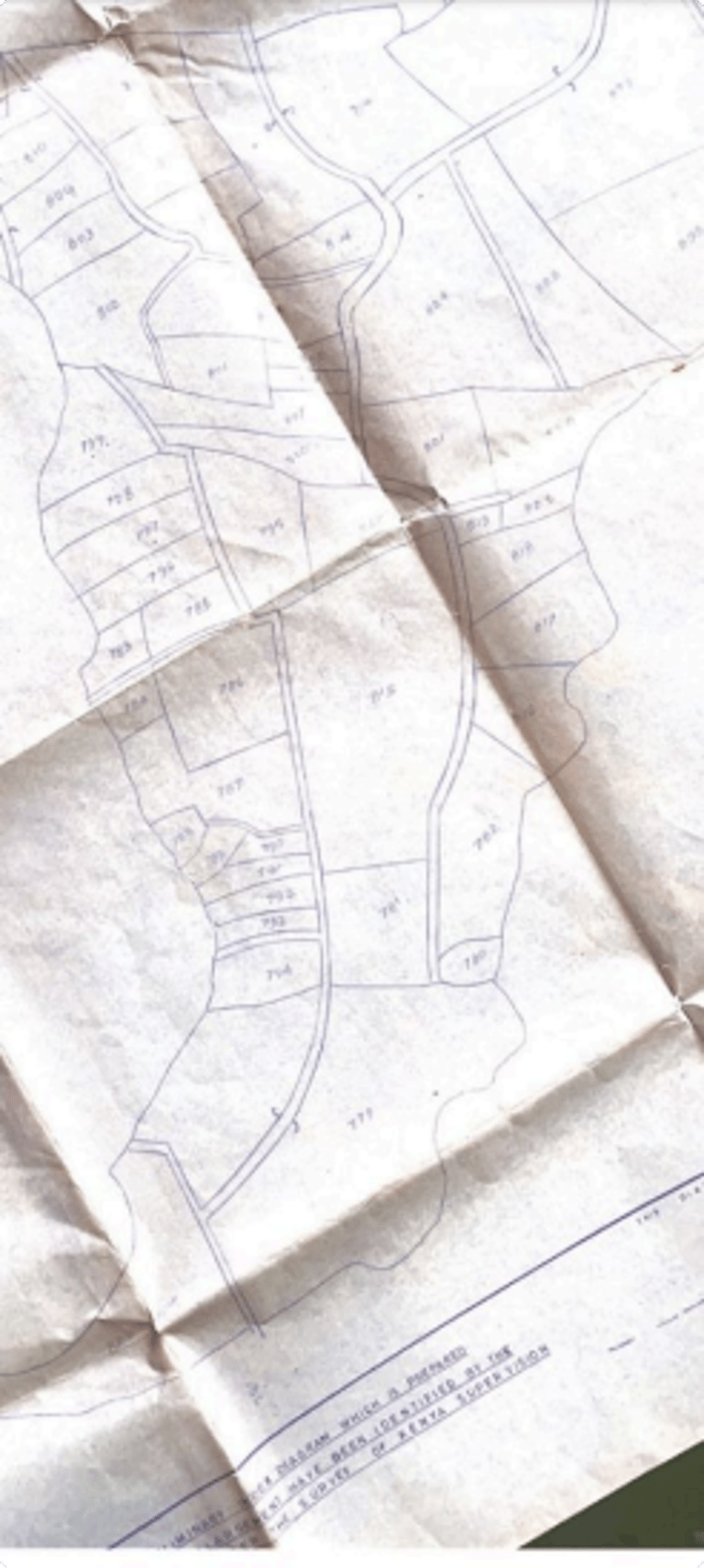
Plot 779 — 4 Acres Of Measured Ground
This is not an idea on paper. It is surveyed land, officially designated, and now awaiting formal title confirmation from the County Government of Homa Bay.
Location
Takawiri Island,
Mbita Sub-County
Area
4.0 acres
(≈ 1.6 hectares)
Official Plot Number
779
Access
Boat from Mbita /
Mfangano
Status
Title confirmation pending
(Ref: TOF/TKW/2026/001)
Authority
County Government
of Homa Bay


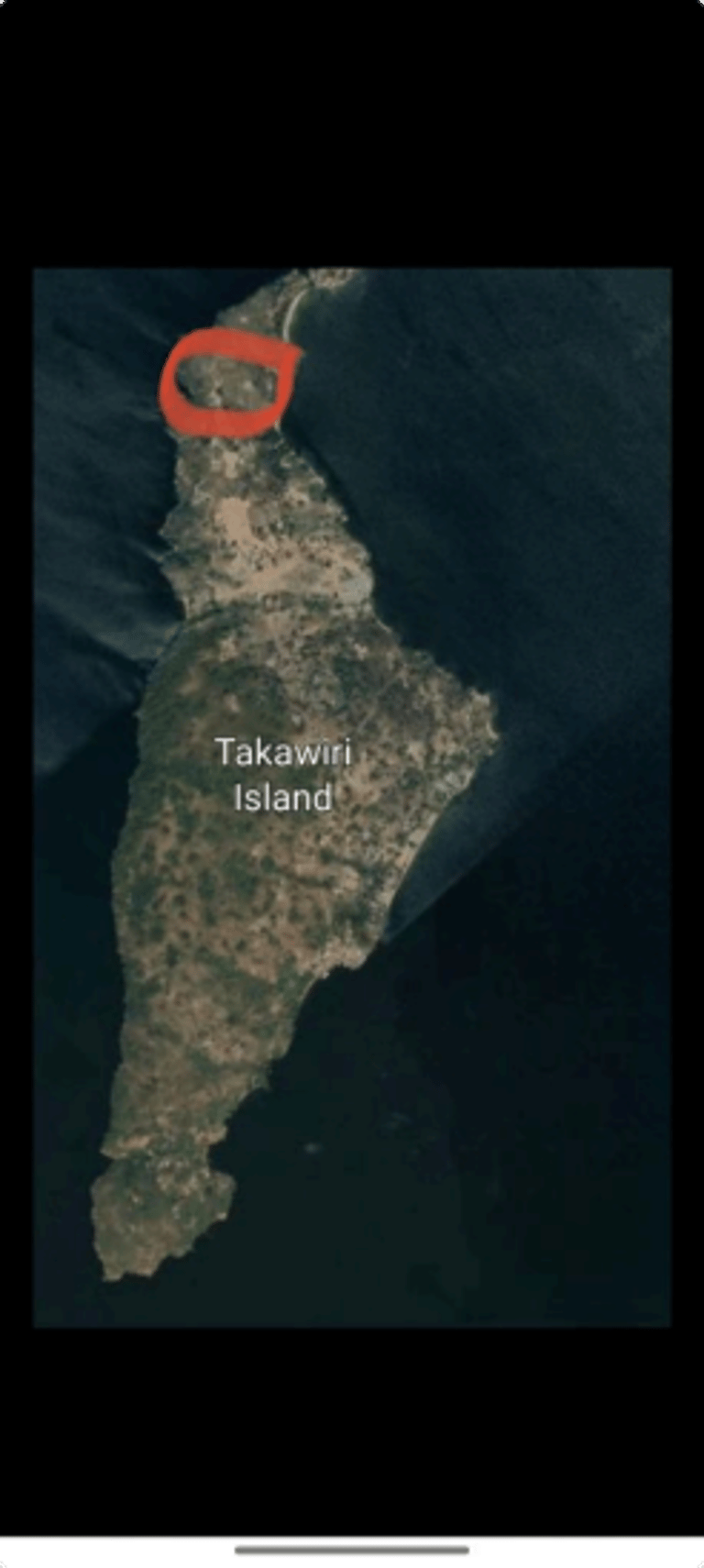
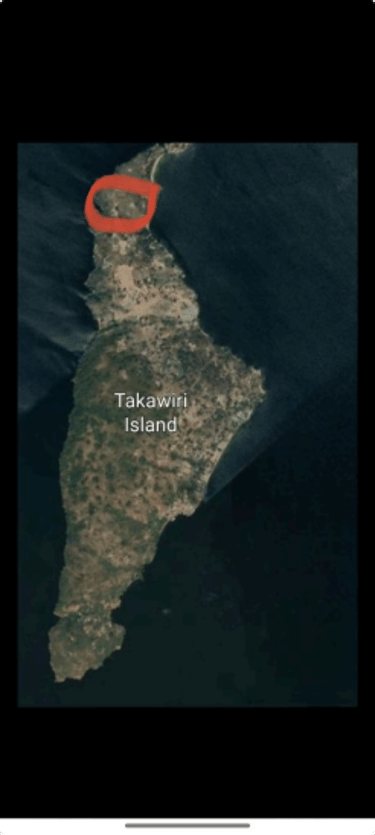
Satellite View: Strategic location on Takawiri Island (Red Circle)
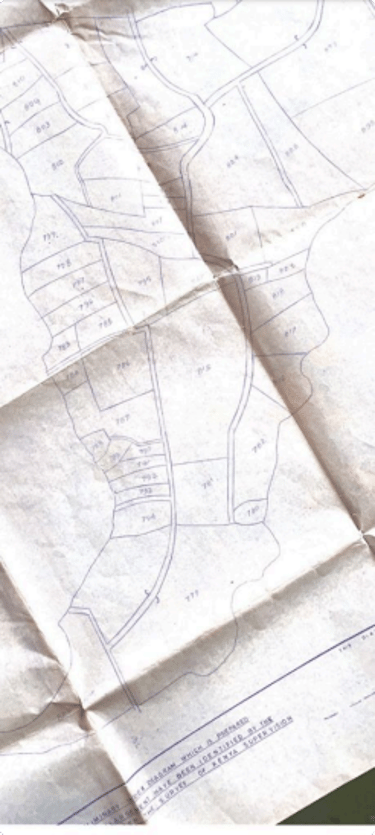
Survey Map: Official designation of Plot No. 779
4 Acres, 120 Tons Of Food, 930 People Fed
On 4 acres, a conventional farm might feed a handful of families. With bio-intensive cultivation — raised beds, compost, biochar, solar-powered drip irrigation and a centralized nursery — those same 4 acres can produce 120 tons of fresh vegetables every year.
Enough to cover the daily vegetable needs of around 930 people already in Phase 1, scaling toward the full island population as the model matures.
Sukuma Wiki / Kale
1.2 acres
Spinach & Amaranth
0.8 acres
Cabbage
0.6 acres
Tomatoes
0.6 acres
Onions
0.3 acres
Okra
0.3 acres


Mixed Greens
0.2 acres


Sun, Soil, Water, Community
The Bio-Intensive Market Garden (BIMG) model turns sunlight and lake water into a year-round food system — running off the grid, regenerating the soil, and creating dignified work along every step of the chain.
5–7 kW solar array
Powers pumps and drip irrigation — fully off-grid.
Lake Victoria water
Direct intake feeding tanks and distribution lines.
Central nursery
Vertical integration: every seedling starts strong.
Biochar + compost
15–20 tons of compost annually regenerate the soil.
Pack house with cooling
Evaporative cooling cuts post-harvest losses dramatically.


Two motorized boats
Transport produce to Kisumu and Homa Bay markets.


What The Farm Gives To Takawiri
Every raised bed, every solar panel, every boat run translates directly into something a family on the island can feel: food on the table, an income, better health, dignity.
Months 1–3 Preparation: Land clearing, nursery construction, biochar kiln setup.


Months 4–6 Infrastructure: Installation of solar pumps, tanks and drip irrigation lines.
Months 7–9 Production: First transplanting to beds; pack house completed.
Months 10–12 Stabilizatio: Full crop rotation active; staff fully trained.
Year 2+ Self-Sufficiency: Surplus sales to Kisumu and Homa Bay markets finance operations.
From Soil To Selfsufficiency In 24 Months
The plan is paced, transparent and built to outlast the donor phase. By Year 2, surplus sales fund daily operations — and the farm pays for itself.
Officially Submitted To Homa Bay County
On March 11, 2026, the Ongata Foundation formally submitted a request for official recognition, title confirmation and project support to the County Government of Homa Bay — Department of Agriculture, Livestock & Fisheries, and the State Department for Crop Development.
REF: TOF/TKW/2026/001
TOTAL INVESTMENT REQUIRED
KES 3.8M – 5.3M
≈ USD 39,000 – 70,000 · from donor dependency to self-sustaining in 24 months
Be part of the change
We believe lasting change happens through collaboration. Whether you are a partner, donor, or supporter, we invite you to be part of building a sustainable and empowered future for Takawiri Island.